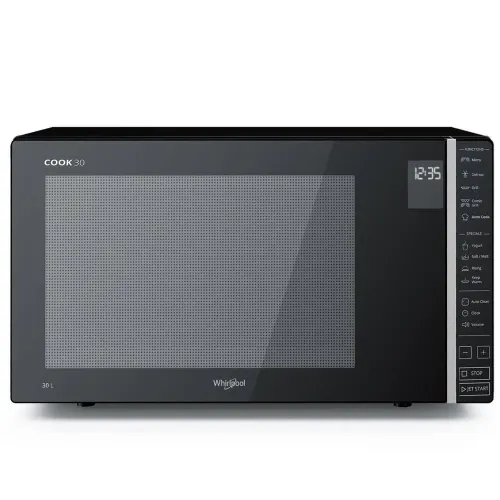
The words on the box can be confusing. Here is what each type actually does in a normal kitchen.
Solo microwave
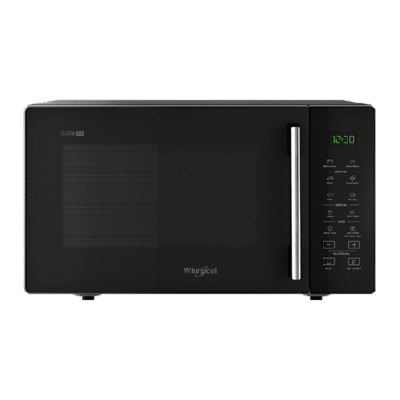
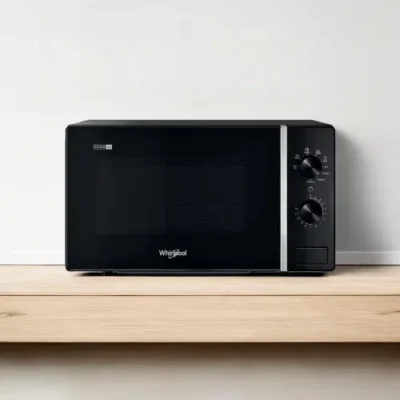
Heats and reheats. Leftover rice and curry, milk, defrosting meat, making popcorn. It does not brown or crisp anything.
Good for: small families, offices, anyone who mainly warms food.
Grill microwave
A solo microwave plus a heating element at the top. That lets you brown and crisp: toast, grilled chicken pieces, kebabs, cheese on top of a dish.
Good for: people who want crispy results without buying a separate oven.
Convection microwave
Adds a fan and a heater that circulate hot air, so it works like a small oven. You can bake cakes, cookies, bread and pizza, and roast a whole chicken. It still microwaves and grills too.
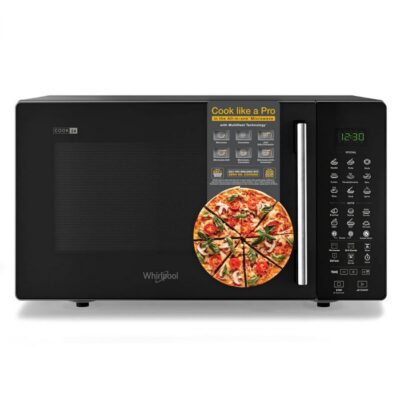
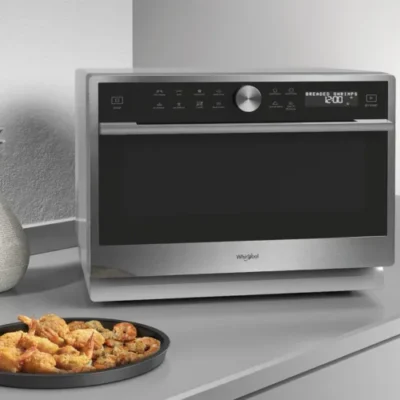
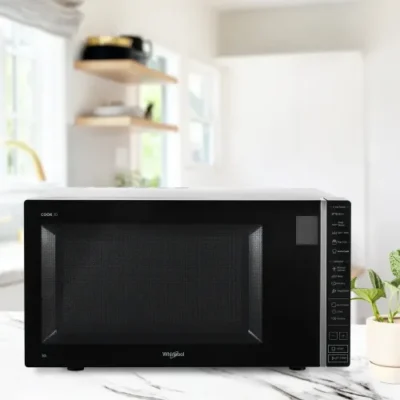
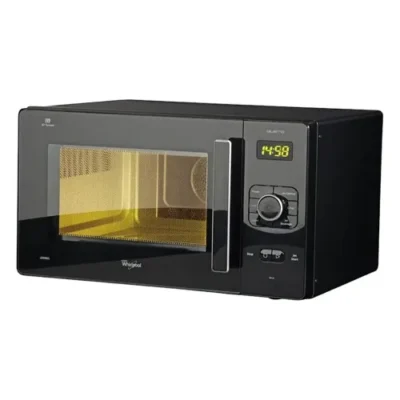
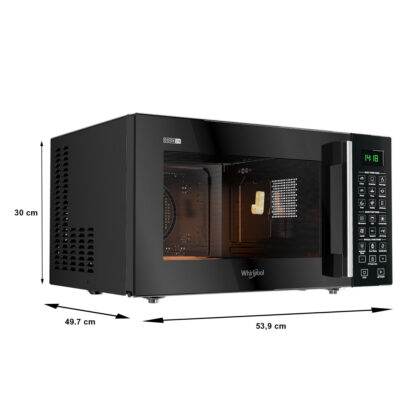
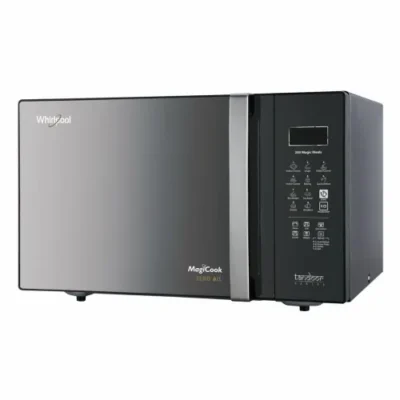
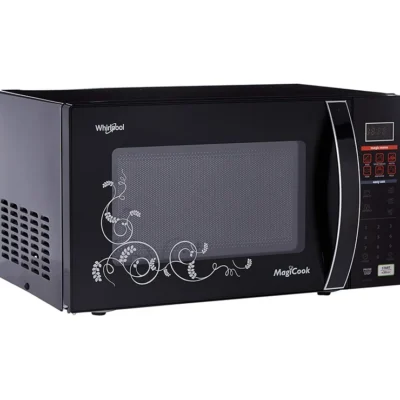
Good for: families who bake, or anyone who wants one appliance that does everything. Models like the Whirlpool Magicook Pro also come with auto-cook menus for common dishes, which helps if you are new to baking.
Choosing the size
- 20 to 25 litres: one or two people, mostly reheating.
- 25 to 30 litres: a family of three to five. Fits a regular dinner plate and a small cake tin.
- 30 litres and above: big families, or if you plan to roast a whole chicken or bake larger trays.
A few safety basics
- No metal containers or foil in microwave mode. Grill and convection modes are different; follow the manual for which racks and dishes to use.
- Use microwave-safe glass or ceramic. Thin plastic tubs can warp and are not good for oily food.
- Leave space around the vents. Do not push the oven tight against the wall.
- Wipe the inside after spills. Dried food absorbs energy and can burn.
Want to see the difference in person? Come by and our team will show you the modes on a working unit.